


Adolescent Intervention Must Connect Back to the Classroom
- DocHolbrook

- 2d
- 3 min read

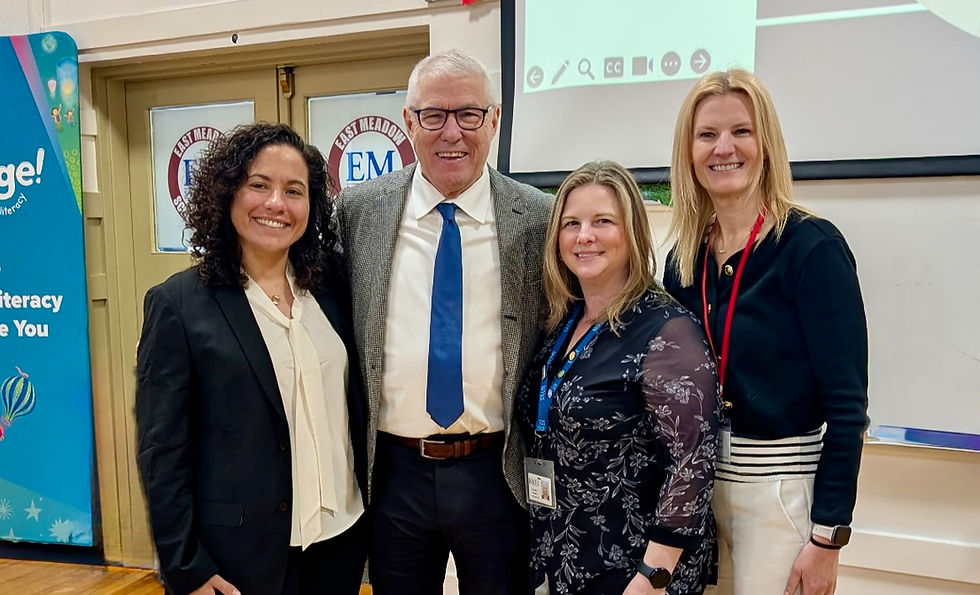
This past month I had the opportunity to contribute to a vision paper on adolescent literacy put together by StoryShares.
For years, adolescent literacy has been ignored. Students who reach adolescence are deemed too old to learn how to read. Schools look for ways to ‘push them through’ rather than remediate the problem. For many reasons, teaching adolescents to read is much more difficult than teaching elementary-age students. Things like teaching the state standards, demanding curriculum, teachers as content experts, the schedule, and the focus on graduation and graduation requirements all create roadblocks for students learning to read. However, many middle and high school students still need explicit instruction in decoding, fluency, vocabulary, and language comprehension.
Last year, my district created reading classes in grades 7–9. There was a heavy focus on phonics instruction because many students still have unfinished foundational skill development.
But one challenge continued to surface over and over again: students did not see how intervention connected back to success in school.
Even when we use age-respectful materials, students can feel disconnected from the work because they do not see transfer into their actual classes.
Teachers frequently told me things like:
“They aren’t interested.”
“They hate reading class.”
“They don’t see the point.”
And honestly, there’s some truth to that.
Foundational Skills Still Matter
Older students with reading difficulties still need explicit instruction in the five essential components of reading. Many adolescents continue to struggle with decoding multisyllabic words, reading fluently, understanding academic vocabulary, and comprehending increasingly complex text.
We cannot abandon foundational instruction simply because students are older.
But we also cannot isolate it from meaningful reading and learning experiences.
The Missing Piece: Connection and Coherence
The more time I spend thinking about adolescent literacy, the more convinced I become that intervention classes must feel connected to the rest of the school day.
Next year, one of my major goals for our reading classes is to continue focusing on the essential components of reading while intentionally tying decoding and foundational skill instruction back into meaningful, relevant reading experiences.
I want students practicing the skills they need within texts and topics they can connect to, texts that feel age-appropriate, engaging, and connected to what they are learning in their academic classes.
When students can immediately apply what they are learning in intervention to English, social studies, science, or writing tasks, the work becomes more meaningful. They begin to see progress. They participate more. They build confidence.
Literacy Instruction Should Build Access
Many adolescents who struggle with reading have also missed out on years of knowledge-building experiences. As texts became harder, many stopped reading independently, engaged less with complex content, and gradually fell behind not only in reading ability, but also in vocabulary, background knowledge, and academic language.
We cannot simply focus on helping older students “read the words.” Adolescent literacy instruction must simultaneously build knowledge, vocabulary, language comprehension, and access to meaningful content while continuing to strengthen foundational skills.
Older students do not just need remediation. They need access. They need opportunities to build knowledge, participate in academic conversations, and reconnect with learning in ways that feel purposeful and dignified.
Looking Ahead
I believe the future of adolescent literacy is hopeful. We know more now than we ever have about how students learn to read, what struggling readers need, and how schools can build systems that support literacy development beyond the elementary grades.
When schools commit to evidence-based instruction, meaningful content, knowledge-building, and coherent systems of support, older students can and do make progress. They can reconnect with reading. They can rebuild confidence. They can begin to see themselves as capable learners again.
This work is too important to accept the idea that some students are simply “too old” to learn to read well. There cannot be a culture of graduating students without literacy. Every student deserves access to the instruction, support, and opportunities needed to fully participate in school and in life.
If your school or district is looking to strengthen adolescent literacy systems, intervention programming, assessment practices, or science of reading implementation, I would love to support your work. I partner with schools and educational organizations to build sustainable literacy systems, design instruction and assessment frameworks, develop intervention models, and support implementation across K–12 settings. Reach out to schedule a free consultation to discuss how we can work together to improve literacy outcomes for students.
When we know better, we teach better.
See you next Sunday!


Comments