


We are All Teachers of Language


We Are All Teachers of Language
I have been thinking a lot about language lately. Not just as something we teach, but as something that connects us. Something that exists before curriculum, before standards, before programs. Something that is fundamentally human.
Language Is Universal
No matter where you go in the world, language is there.
It may sound different. It may look different. It may be spoken, sung, or signed.
But it is always there.
It is how we tell stories. It is how we make meaning. It is how we connect.
I felt the impact of language strongly in schools I have worked. In some schools I heard Spanish just as muc h as I heard English. Language carried culture through the hallways. It shaped identity. It built community. I also feel its importance as we work to improve reading abilities because at its core, reading is language.
And I felt it most recently in Kenya.
In classrooms with limited resources, language was still abundant. Through storytelling. Through song. Through conversation. Through shared experience.
It reminded me of something simple, but powerful.
Language is universal.
The Problem with Silos
And yet, in schools, we often treat language like it belongs to someone.
It belongs to the ENL teacher. It belongs to the ELA teacher. It belongs to a program.
We organize ourselves into silos.
We separate responsibilities.
And without even realizing it, we create space to say:
That is not my job.
That is not my responsibility.
But students do not experience school in silos.
They do not walk into math class and leave their language behind. They do not enter science without needing words to think and explain. They do not participate in discussions without drawing on everything they know about language.
Language does not stay in one classroom.
So why do we?
The Shift
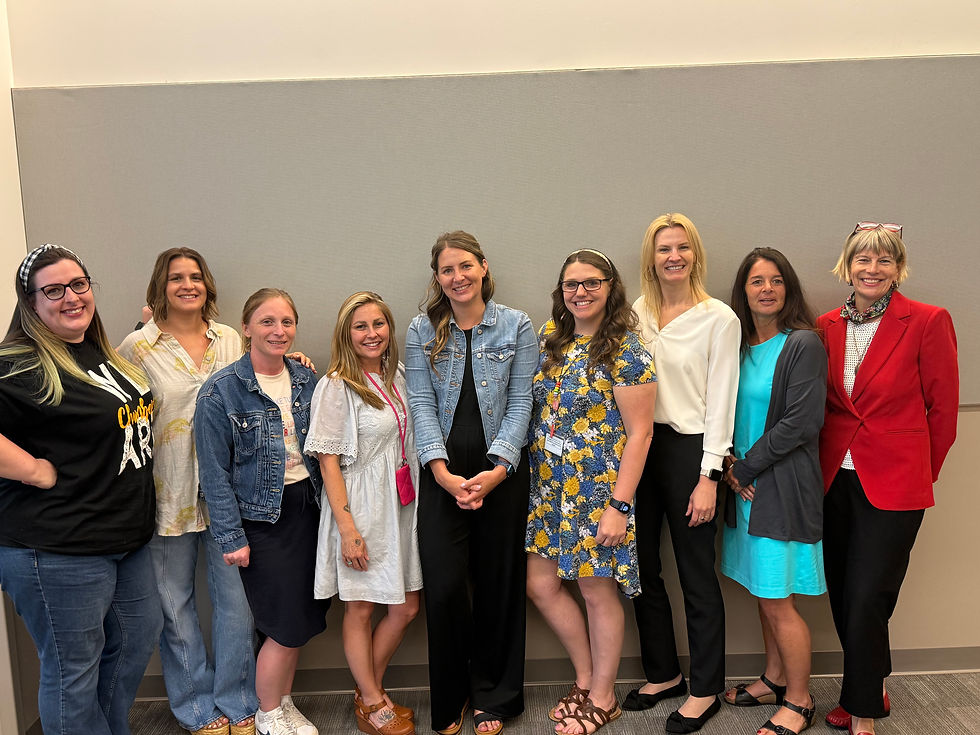
Last week, during a session with Dr. Antonio Fierro, he said something that brought all of this into focus:
We are all teachers of language.
When we start to see ourselves as teachers of language, something changes.
The way we think changes. The way we plan changes. The way we show up for students changes.
We stop asking, Is this my responsibility?
And we start asking, What language do my students need right now?
We begin to see language everywhere.
In the questions we ask. In the discussions we facilitate. In the vocabulary we choose to emphasize. In the way we support students in expressing their thinking.
We begin to understand that every lesson is a language lesson.
Every classroom is a place where language is built, shaped, and strengthened.
Language as the Connector
Language is what connects all content areas.
It connects reading to writing. It connects speaking to thinking. It connects knowledge to understanding.
But more importantly, it connects people.
It allows students to share who they are. It allows them to understand others. It allows them to find their place in the world.
When we focus on language, we are not just improving instruction.
We are building connection.
A Call to Think Differently
Schools are complex systems. It is easy to fall into patterns that divide the work.
But what if we chose to see it differently?
What if, instead of separating responsibilities, we centered ourselves around what is shared?
What if we recognized that language is not something we hand off, but something we all carry?
Language.
It is always there. It is always connecting. It is always shaping how we learn and how we relate to one another.
And maybe that is the shift we need to make.
Not just in what we teach, but in how we think about our role.
We are all teachers of language.
And when we truly believe that, the way we teach, and the way we connect, will never be the same.
When we know better, we teach better.
See you next Sunday!


Comments