


Bridging the Gap Between Research and Practice: Reflections from The Reading League Summit
- DocHolbrook

- Apr 27, 2025
- 3 min read
This past week, I had the opportunity to attend The Reading League Summit in Chicago. One of the major themes that stood out to me was this question:
How can we close the gap between research and practice in education?
At the heart of that question is one answer—teachers.
Michael Fullan said it best: "Educational change depends on what teachers do and think." It really is as simple—and as complex—as that. If we want to move the needle on student outcomes, we have to begin by shifting how teachers think. That starts with ongoing, meaningful professional learning.
When teachers don’t feel equipped, they often seek resources elsewhere—think Teachers Pay Teachers. But at the summit, someone asked a powerful question: What if other professions worked like that? What if dentists relied on “Dentists Pay Dentists” for their tools and procedures? It’s a funny idea, but it highlights a real issue.
Districts need to take the lead in ensuring their teachers are trained in evidence-based practices. Without that, teachers may be pulling in resources that are outdated, ineffective, or flat-out inaccurate. And when educators piece together curriculum from various sources, there’s no way to track alignment or ensure consistency.
That’s why we need both horizontal and vertical alignment in schools. Fourth-grade teachers should know what was taught in third grade—and what’s coming in fifth. A strong continuum helps students build knowledge in a structured, logical way.
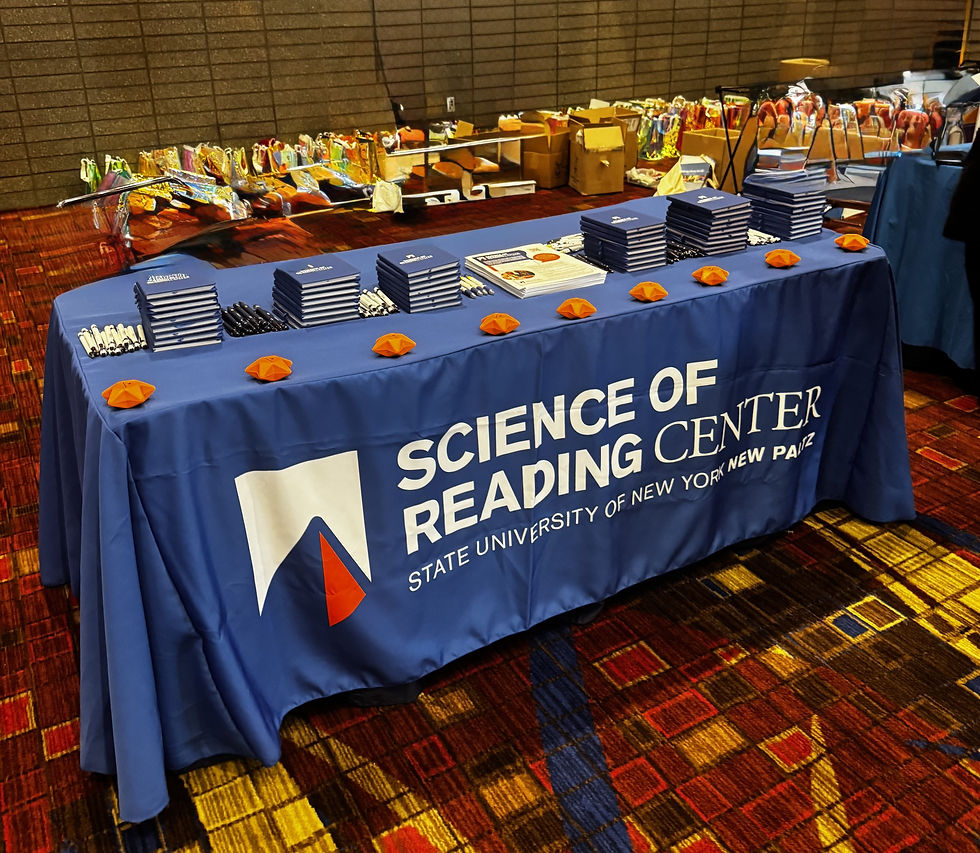
For many districts, this means reeducating their staff. For example, SUNY New Paltz offers a 35-hour asynchronous microcredential in the Science of Reading—a great option for districts looking to build capacity. When teachers are immersed in this kind of professional learning, we create a shared language and ensure all staff are using high-quality resources and practices.
Creating a System of Effective Professional Learning
To build this kind of system, we can look to Desimone’s framework for effective professional development, which emphasizes:
Content focus – Learning should be grounded in subject-specific content.
Active learning – Teachers need to engage with the material, not just passively receive it.
Coherence – New learning should align with district goals and teachers’ prior knowledge.
Duration – PD needs to be sustained over time to have a real impact.
Collective participation – Learning is more effective when teachers learn together.
Instructional coaching can play a big role here, too. Jim Knight’s work shows that coaching helps teachers apply new learning in the classroom—turning knowledge into action. Oftentimes, behavior changes before beliefs do. Coaching provides a bridge between learning something new and actually using it confidently.
Shifting Beliefs with Compassion
It’s important to remember that teaching is deeply personal. Many educators hold their beliefs about instruction close to their identity. At the summit, the Goldilock's analogy used: some PD is “too hot,” some is “too cold,” and some is “just right.” If we come on too strong, we risk shutting people down. If we’re too soft, the message might not land.
My mom used to say: “Say what you mean, but don’t say it mean.” That’s never been more relevant. The way we present new ideas matters. Instead of saying:“This approach to reading you’re using doesn’t work.”Try something like:“There’s some new research around decoding that I think could really help some of your struggling readers. Want to take a look together?”
That small shift in tone invites collaboration instead of defensiveness—and that’s how change begins.
Final Thoughts: Great readers are not born—they’re built by a league.
I'll end with a reminder from the Reaing League: “It takes a league.” And it truly does. Transforming literacy instruction isn’t a solo mission—it’s a collective effort. When educators, administrators, coaches, and communities come together with a shared commitment to evidence-based practices, real change happens.
We are in this together. And only together—when we support one another, share what works, and continue to learn—will we start to see a true shift in literacy instruction. That’s how we ensure every child has the opportunity to become a confident, capable reader. It’s not easy work, but it’s necessary—and none of us has to do it alone.


Comments